
Why a Top-Load Washer Usually Outlasts a Front-Loader
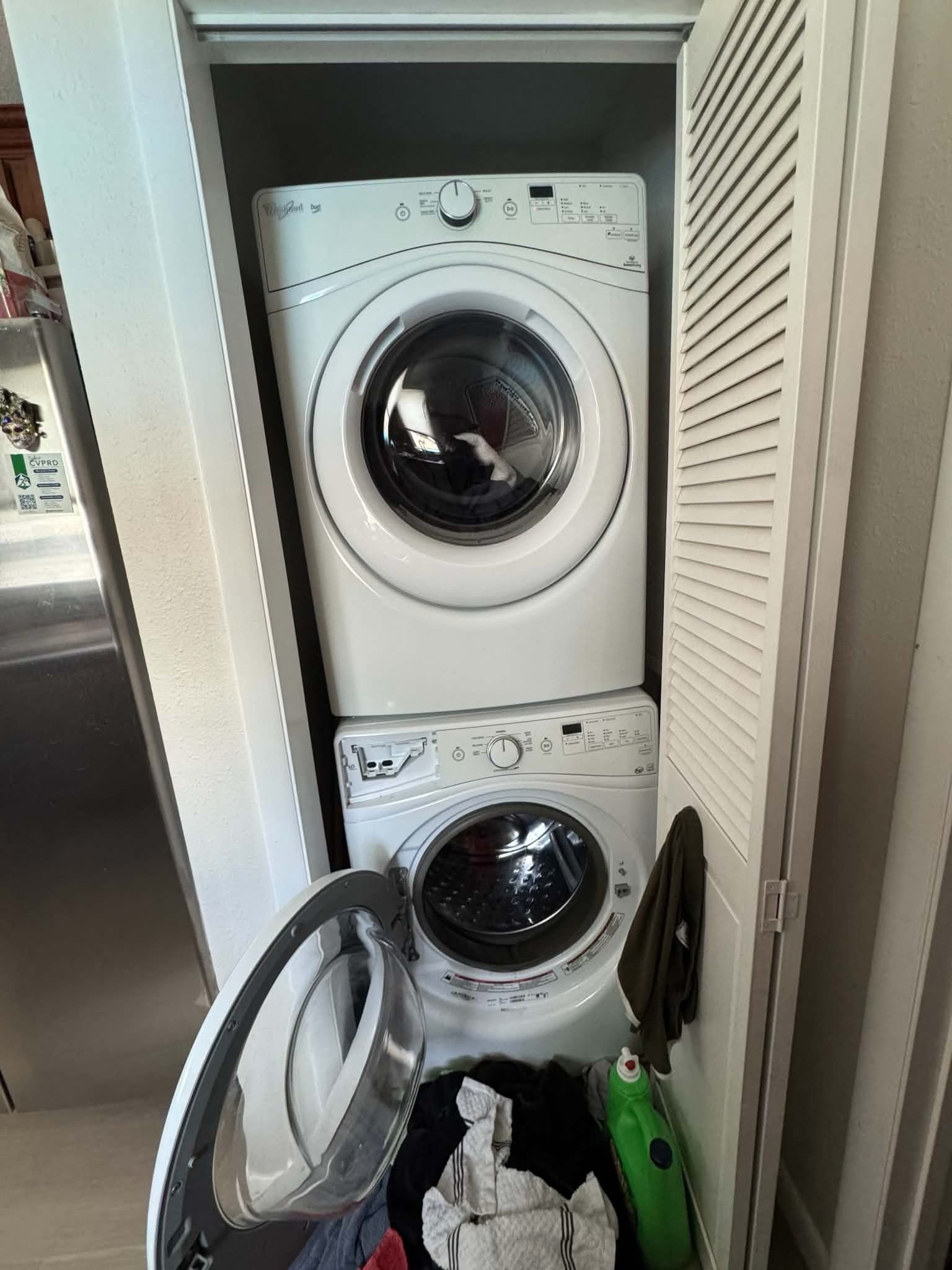
Shopping for a new washing machine usually comes down to one big fork in the road: do you load it from the top or from the front? Front-loaders get a lot of attention for their sleek look and efficiency. But if your top priority is a machine that keeps running year after year, the humble top-loader has a strong case. Here's why top-load washers tend to stick around longer, and what you can do to get the most life out of whichever one you choose.
The short answer: years, not decades
Across appliance retailers and repair pros, the typical estimates land in the same neighborhood. A well-kept top-load washer generally runs somewhere around 12 to 15 years, while a front-load washer more often lands around 10 to 12 years. That works out to a few extra years of service for the top-loader on average, which can mean skipping an entire replacement cycle over the life of a home.
It's worth being honest here: you'll sometimes see claims that one style lasts "twice" or "three times" as long as the other. The real-world numbers don't support gaps that dramatic. Brand, build quality, how hard the machine works, and how well it's cared for all matter as much as the door's location. Still, the general trend favors the top-loader, and the reasons why are pretty simple.
Why top-loaders tend to last longer
Simpler mechanics. Traditional top-loaders, especially models with a center agitator, use a straightforward design that's been refined for generations. Fewer complex parts means fewer things that can fail.
Gravity is on their side. In a top-loader, the drum sits upright, so its weight and the weight of wet laundry rest naturally on the base. A front-loader's drum spins on its side, which puts constant sideways stress on the rear bearings and the spider arm that holds the drum. Worn drum bearings are one of the most common (and most expensive) front-loader failures.
No rubber door seal to fight. Front-loaders depend on a rubber gasket around the door to keep water in. That seal traps moisture, lint, and detergent residue, which can lead to mold, odors, tears, and eventually leaks. Top-loaders don't have this weak point.
Easier, cheaper repairs. When a top-loader does need work, the motor, pump, and belt are usually easier to reach, and many parts are mechanical rather than electronic. That keeps repair bills reasonable, so fixing the machine makes more sense than replacing it, which directly extends its life.
Fewer electronics. Many front-loaders lean heavily on control boards and sensors. Those components are useful, but they add more possible points of failure over time.
Where front-loaders still shine
To be fair, front-loaders have real advantages. They typically use less water and energy, are gentler on fabrics, and spin out more water, which shortens drying time. They can also be stacked to save floor space. If utility savings or a tight laundry closet matter most, a front-loader may be the better fit, as long as you're willing to keep up with its maintenance.
How to make any washer last longer
- Don't overload it. Packing the drum too full strains the motor, suspension, and bearings.
- Use the right detergent, and less of it. High-efficiency machines need HE detergent. Too much soap leaves residue that builds up and causes problems.
- Keep it level. An unlevel washer shakes harder on every spin, wearing out parts faster.
- Run a cleaning cycle monthly. It clears out buildup in the drum and hoses.
- Leave the lid or door open after use. Letting the inside dry out prevents mold, especially on front-loader gaskets.
- Check the hoses. Look for cracks or bulges once or twice a year and replace them every five years or so.
- Call a pro early. New noises, leaks, or a machine that won't drain are easier and cheaper to fix when you catch them early.
The bottom line
If you want the washer most likely to go the distance with the fewest headaches, a top-loader is usually the safer bet. Its simpler, sturdier design avoids several of the weak spots that shorten a front-loader's life, and it's typically easier to repair when something does go wrong. Whichever style you choose, good habits and timely repairs are what really decide how many years you'll get out of it.
Washer acting up? Before you replace it, have it looked at. A quick repair can often add years to its life.