Missed It at the Time Change? It's Not Too Late to Clean Your Furnace's Heating Element
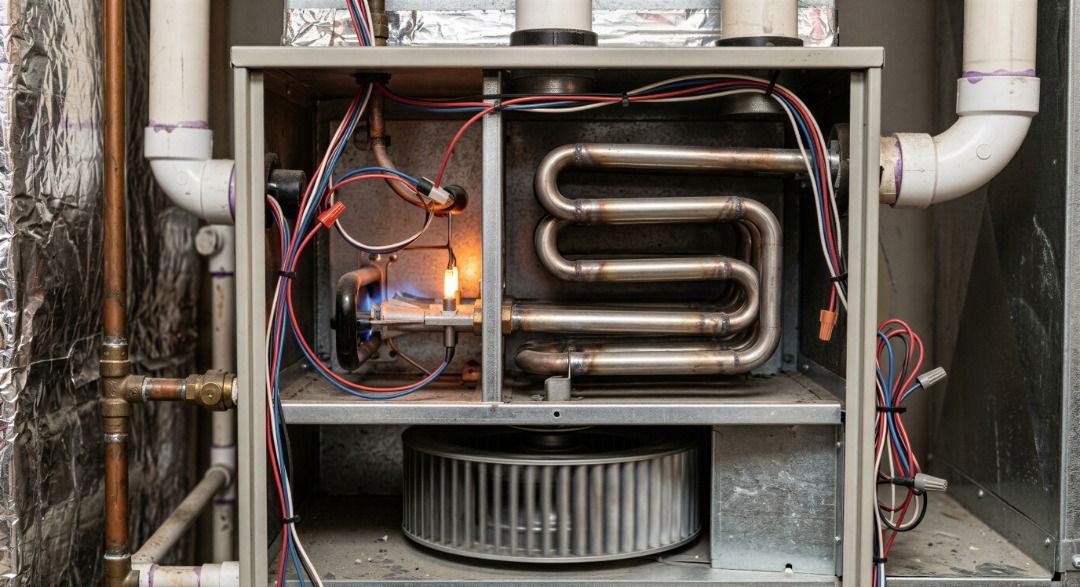
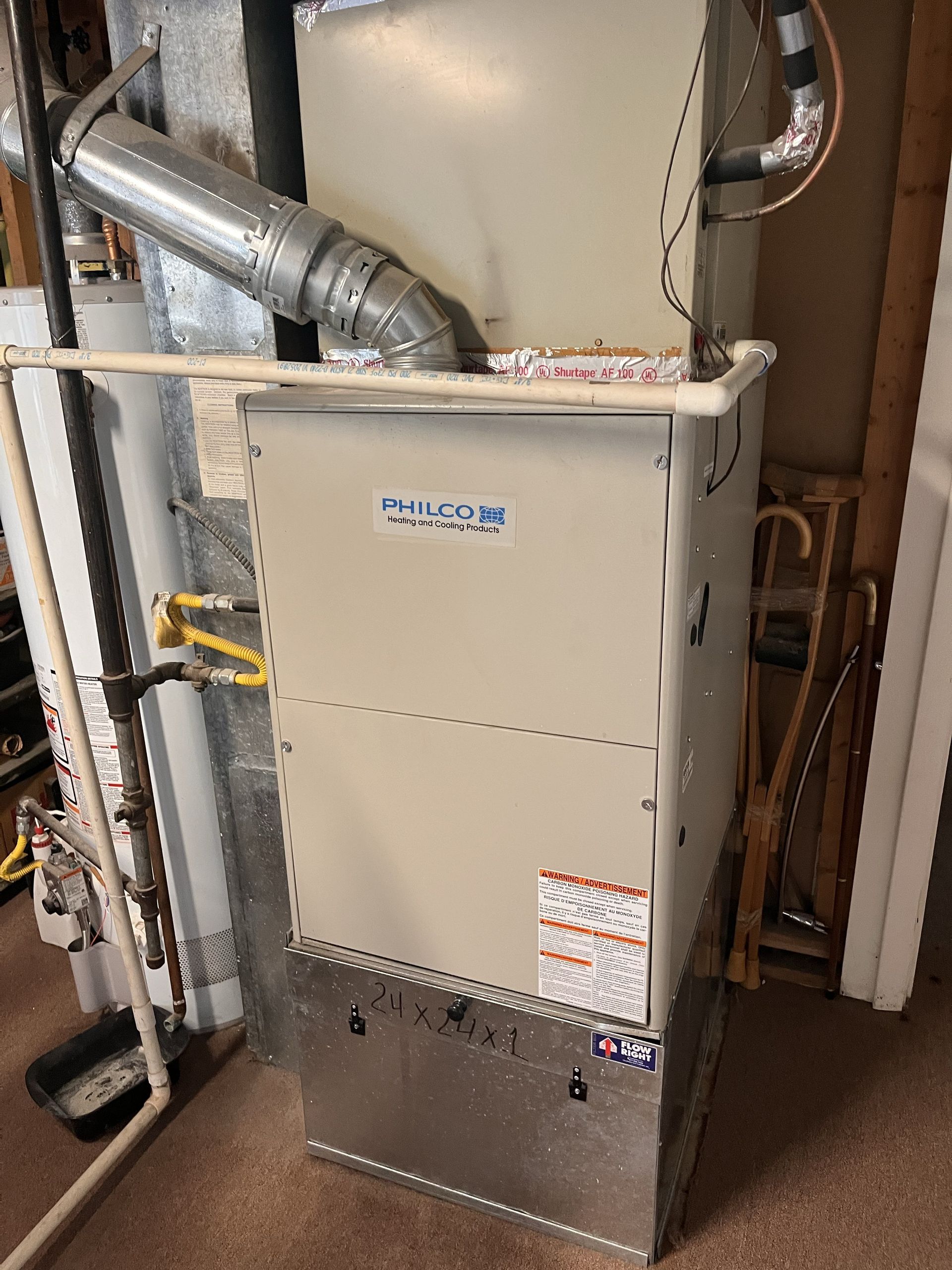
The clocks went back a couple of weeks ago. For a lot of homeowners, that's the signal to knock out fall maintenance: new smoke detector batteries, winter coats out of the closet, and a check on the furnace. One part that rarely gets attention is the one doing the actual heating: the heating element.
If you didn't get to it at the time change, don't worry. Heating season is just getting started, and your furnace will be working hard for months. A little attention now can mean steadier heat, lower energy bills, and fewer surprise breakdowns on the coldest night of the year.
What the Heating Element Does
In an electric furnace, the heating elements are coils of special resistance wire. When electricity runs through them, they glow hot, and the blower pushes air across them and out through your ducts. Most electric furnaces have several elements that switch on in stages, depending on how much heat your home needs.
Because air is constantly moving across those coils, they collect dust, lint, and pet hair over time. A thin layer might not seem like much, but it acts like insulation, and the element has to work harder to deliver the same warmth.
Have a gas furnace? Gas units don't use a heating element. Instead, heat comes from burners lit by an igniter, and a small rod called a flame sensor confirms the flame is on. Those parts also get dirty, and a dirty flame sensor is one of the most common reasons a gas furnace starts and then shuts off. The same time-change habit applies, but that work is usually best left to a technician.
Signs Your Heating Element Needs Attention
- A burning dust smell that lingers well past the first few days of running the heat (a brief smell at the start of the season is normal)
- Lukewarm air from the vents, even when the thermostat is calling for heat
- Uneven heating, or the furnace running longer to reach the set temperature
- Tripped breakers connected to the furnace
- Higher electric bills without a change in your habits
- Visible damage like sagging, broken, or discolored coils
Why a Clean Element Matters
Better efficiency. Dust on the coils slows down how quickly heat moves into the air. Clean elements transfer heat faster, so the system runs for shorter stretches.
Longer equipment life. Elements that run hotter and longer than they should wear out sooner. Keeping them clean reduces strain on the elements and the parts that control them.
Cleaner, fresher air. That burning smell is dust cooking on the coils. Less buildup means less odor and fewer particles circulating through your home.
Fewer safety shutdowns. Furnaces have limit switches that cut power when things get too hot. Dirty elements and restricted airflow make those shutdowns more likely.
How to Safely Clean an Electric Furnace Heating Element
Electric furnaces run on high voltage, so safety comes first. If you have any doubt, skip to the next section and call a pro.
- Shut off all power. Turn the thermostat off, then switch off the furnace's breaker or breakers at the panel. Many electric furnaces use more than one circuit. Wait several minutes for the elements to cool completely.
- Change the air filter. A clogged filter is a top cause of dust buildup on the elements, so start here.
- Remove the access panel. Check your owner's manual to find the panel covering the heating element section. Take a photo before you touch anything so you know how it all goes back together.
- Inspect the coils. With a flashlight, look for dust, broken wires, sagging coils, or burn marks. If you see any damage, stop and call a technician.
- Remove dust gently. Use a soft brush and a vacuum with a brush attachment to lift dust off and around the coils. Keep a light touch; the wire is delicate and easy to bend or break. Never use water, sprays, or cleaning chemicals.
- Close it up and test. Reattach the panel securely, restore power, and run the heat. Expect a little smell the first time as any leftover dust burns off.
When to Call a Professional
- Coils look broken, stretched, or burned
- Breakers keep tripping after cleaning
- The furnace blows cool air even though it's running
- You have a gas furnace and suspect a dirty burner or flame sensor
- You smell gas at any point (leave the house and call your gas company right away)
- You're not comfortable working around high-voltage components
A technician can test each element and its controls with a meter, replace worn parts, and check the rest of the system while they're there.
Make It a Habit
The easiest maintenance is the kind you don't have to think about, so tie it to something you already do. If you missed it this fall, take care of it now, then put it on the calendar for next year's time change. When you set the clocks back, change the filter and check the heating element. When you spring forward, give the system another look before cooling season.
Need a Hand?
If your furnace isn't keeping up, or you'd rather leave this job to someone with the right tools, we're here to help. Contact us today to schedule service and get your home ready for the cold months ahead.
Recent Posts